
If you are coming to Italy for more than four weeks, the classroom is only half of the experience. Where you sleep, how you eat, what you do on weekends, what your daily rhythm looks like — those decide whether the year you spend in Italy actually changes your Italian, or whether you go home with a certificate and a foreign accent still intact. This page covers what living in Italy actually looks like from the inside, in our four cities.
Accommodation — four practical options
On-campus residence
Available in Florence (top floor of the Padri Scolopi building — mini-apartments, five minutes from the classroom). Simplest possible logistics: no rental contract negotiation, no commute, no housing search after arrival.
Italian-family homestay
Room with an Italian family that cooks dinner with you and speaks Italian at the table. The fastest single way to push your Italian forward, especially A2 → B2. Available in all four cities.
Shared student flat
A room in a flat shared with other students (Italian and/or international). More autonomy than homestay, more social. We pre-vet options in each city.
Independent apartment
Your own studio or one-bedroom. Most expensive option but right for older students, students with partners or family, and longer stays. We help with the search, the rental contract review, and registration with the comune.
Cost of living — by city
Milan — high
Most expensive Italian city. Rent for a shared room: €600–900/month centre, €450–650/month periphery. Daily life on roughly €900–1,200/month outside rent.
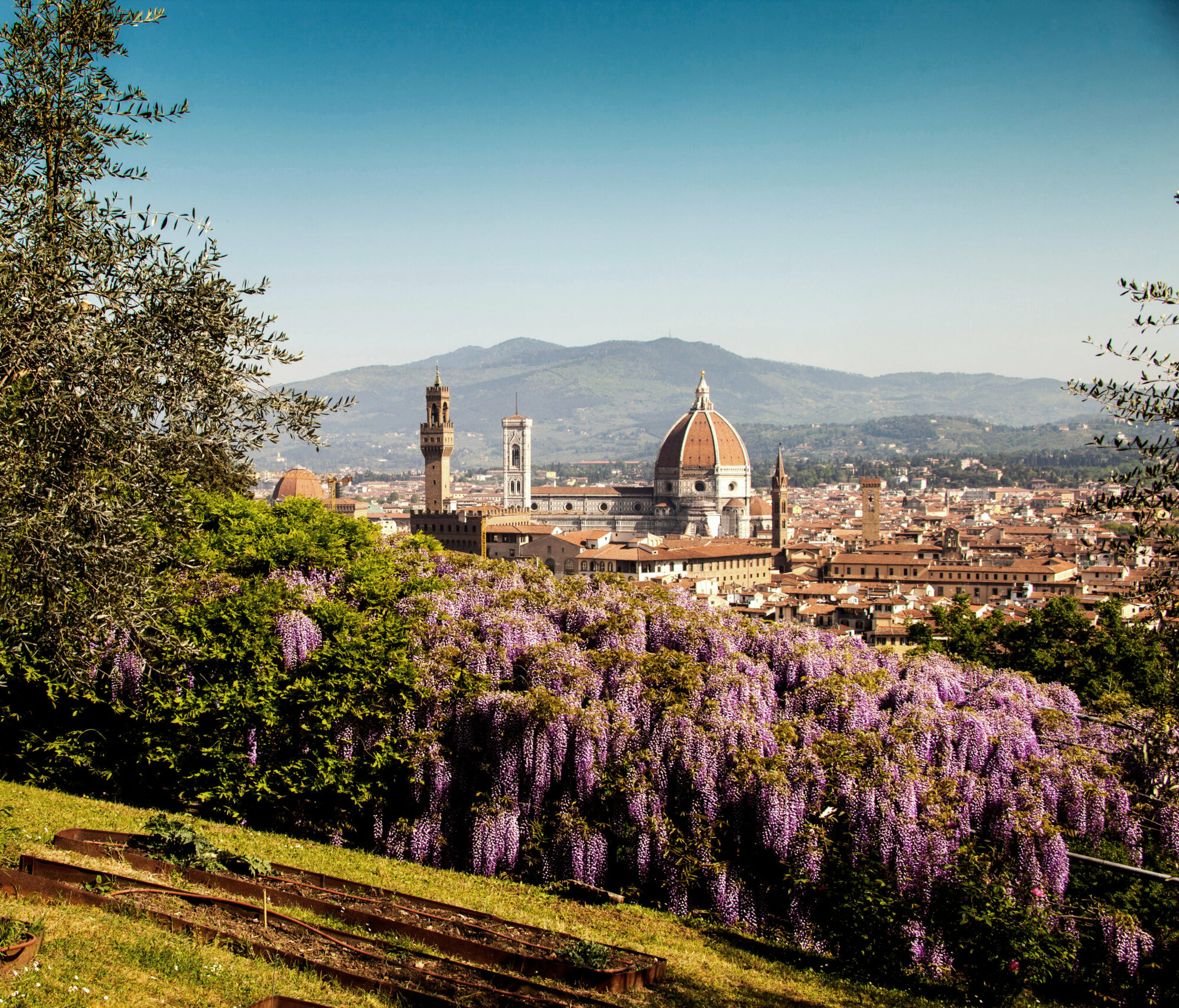
Florence — medium-high
Tourist-driven prices in the centre, more reasonable in our Via Bolognese area. Shared room: €450–700/month. Daily life on roughly €700–950/month outside rent.
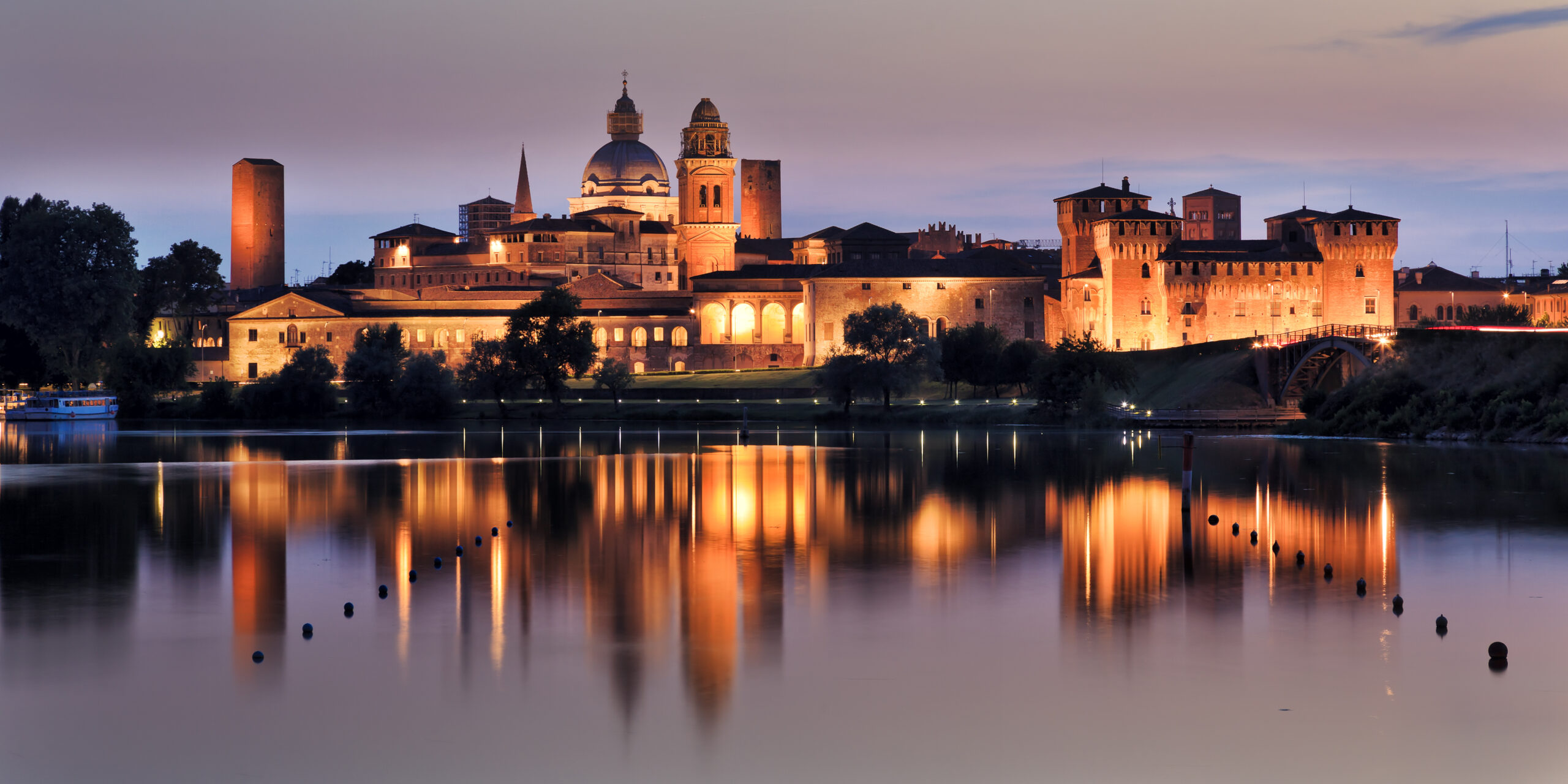
Mantua — low
Significantly cheaper than Milan or Florence. Shared room: €300–500/month. Daily life on roughly €500–700/month outside rent. The financial case for a long stay.
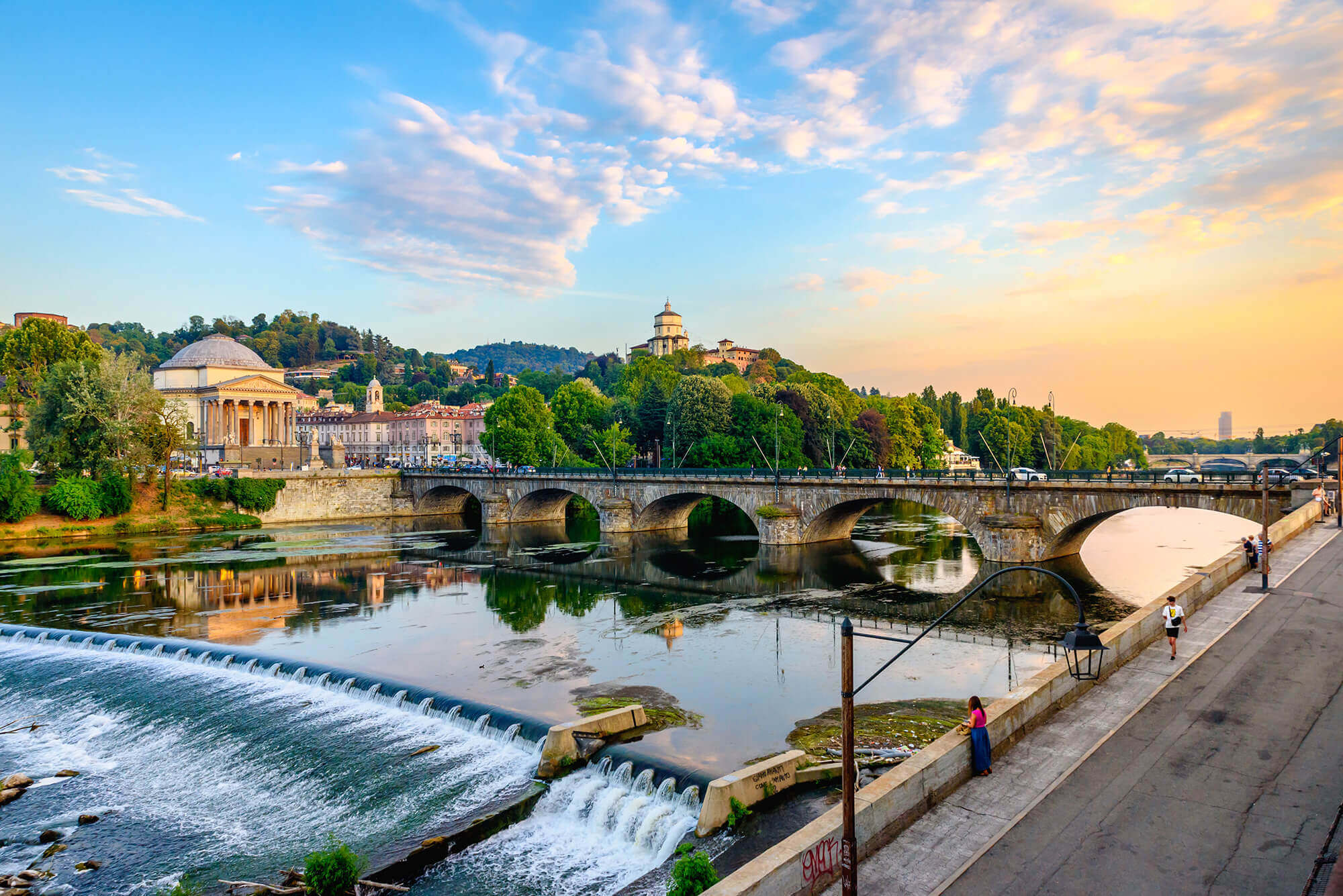
Turin — medium-low
Cheaper than Milan, comparable to Mantua but with a real-city profile. Shared room: €350–550/month. Daily life on roughly €600–800/month outside rent.
Daily-life logistics we help with
On arrival
Codice fiscale (Italian tax code), residence permit application within 8 days, registration at the comune where required, opening an Italian bank account if you need one.
Healthcare
Guidance on whether to register with the Italian SSN, take private insurance, or rely on your home-country coverage. Help with SSN registration if you opt for it.
Connectivity
Recommendations for Italian SIM cards (cheap, prepaid, work everywhere) and home internet if you have your own flat. Codice fiscale required first.
Transport
Monthly transport passes for each city, regional rail discounts for students, bike-share where relevant (Milan, Florence, Turin). Mantua is fully walkable.
Weekend cultural programming
We do not run mandatory cultural programmes — they tend to attract the students least interested in actually using Italian. We do offer an optional weekend schedule each city builds around its own strengths:
Florence
Guided art history walks (in Italian, scaled to level), Uffizi / Bargello / Palazzo Pitti dedicated visits, Renaissance day-trips (Siena, San Gimignano, Arezzo).
Milan
Design district tours (Brera, Tortona), Lake Como / Lake Maggiore day-trips, opera at La Scala (when scheduled), contemporary art (Hangar Bicocca, Fondazione Prada).
Mantua
Palazzo Ducale / Palazzo Te in Italian, day-trips to Verona / Sabbioneta / Cremona, food and wine programmes (this is mantovano country: tortelli di zucca, Lambrusco, Grana Padano).
Turin
Egyptian Museum, Mole Antonelliana / Museo Nazionale del Cinema, day-trips to Langhe wine country, Alps for skiing/hiking by season, Slow Food day-programmes.
Talk to us about your move to Italy
Tell us your dates, your budget, whether you want immersion or independence, and any constraints (partner coming, dietary requirements, accessibility needs). We respond with a concrete city + accommodation + daily-life plan.
If you came for a week,
you came to the wrong school.
Most language schools chase short-stay tourists. We do not.
We are built for the 4-week student, the 6-month visa student, the U.S. faculty-led cohort, the professional relocating for work. People who came to actually study.
See long-term programsFour cities,
one academic operation.
Same teaching framework, same student services, four very different cities. Built for adults who want measurable progress.
You study inside a real Italian university.
Florence, Mantua and Turin campuses are shared with Unicollege SSML — an Italian Higher Institute recognized by the Ministry of Education. Same building, same library, same faculty space.
You are not in a "language school floor" tucked above a souvenir shop. You are inside the academic life of an Italian university.
You lead the academics.
We handle everything else.
Approval-ready documentation for your study-abroad office. Dedicated cohort classrooms in Florence and Milan. On-campus housing in Florence. Single point of contact from pre-departure to post-program reporting.
The paperwork part.
Done properly, every week.
Consulate-grade documentation issued in the format your specific consulate expects. Residence permit support on the ground in Italy. Attendance reporting for renewals. We do this every week, not as an exception.
The international hub
City-centre Academy a short walk from the Duomo. Built for professionals, long-term visa students, and U.S. faculty-led cohorts. The fastest city to start using Italian.
CAMPUS MILANO